
The psychology behind risk Understanding the gambler's mindset
The Allure of Gambling: What Draws People In
The thrill of gambling captivates many, providing an escape from reality and a chance to experience the highs of potential victory. This excitement is rooted in our psychology, where the unpredictability of outcomes generates adrenaline and excitement. The idea of risk appeals to human nature, as individuals often seek activities that offer a mix of uncertainty and reward. This blend creates a potent cocktail that many find irresistible, especially when exploring options like neosurf australia online casino.

Additionally, social influences play a significant role in the allure of gambling. Friends or peers who engage in gambling can create a sense of community and shared excitement. This communal aspect can reinforce the desire to participate, as individuals may feel pressured to join in or fear missing out on a rewarding experience. Ultimately, the psychological draw of gambling encompasses both individual thrills and social dynamics.
The Gambler’s Mindset: Cognitive Biases at Play
The cognitive biases that affect gamblers are a crucial aspect of understanding their mindset. One of the most prevalent is the illusion of control, where individuals believe they have influence over outcomes that are inherently random. Gamblers may think that their strategies or rituals can sway the odds in their favor, leading them to take greater risks than they normally would. This mindset can perpetuate a cycle of betting, where small wins reinforce this false belief.
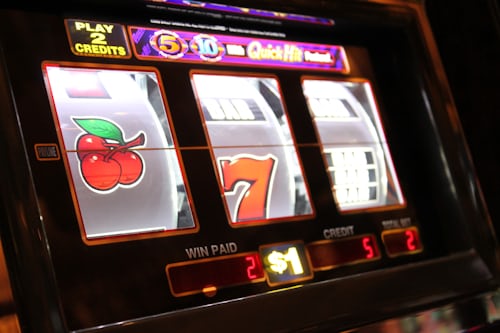
Another common bias is the gambler’s fallacy, which suggests that past events can influence future outcomes in games of chance. For instance, if a player sees a slot machine hasn’t paid out recently, they may believe it is “due” for a win. This line of thinking can lead to ill-advised betting behavior as gamblers chase losses or increase their stakes based on incorrect assumptions about probability.
The Role of Emotions in Gambling Decisions
Emotions significantly impact gambling behavior, often leading individuals to make irrational choices. For example, feelings of excitement and euphoria can cloud judgment, prompting players to stake larger amounts than they typically would. Conversely, negative emotions, such as frustration or anxiety, may compel gamblers to chase losses in an attempt to regain their earlier positions. This emotional volatility can contribute to problematic gambling patterns, where logical reasoning is overshadowed by fleeting feelings.
Moreover, the thrill of winning can trigger a rush of dopamine, reinforcing the behavior and encouraging repeat participation. This neurochemical response creates a feedback loop, where the highs of winning become increasingly sought after, even when the long-term probabilities suggest that losses are more likely. Understanding the emotional aspect of gambling is crucial for recognizing the potential risks involved in this activity.
Debunking Myths About Gambling and Risk
Many misconceptions surround gambling, particularly concerning risk and reward. A prevalent myth is that gambling is purely a game of luck, minimizing the complex psychological factors involved. While chance plays a role, the decisions made by gamblers often stem from cognitive biases and emotional responses that can significantly influence outcomes. Recognizing these factors helps demystify the gambler’s experience and highlights the psychological complexities at play.
Additionally, another myth is that winning streaks are indicative of skill or the “hot” nature of a game. In reality, randomness governs most gambling scenarios, and patterns that appear to exist are often mere coincidences. Understanding these myths is vital not just for players but also for anyone looking to engage with gambling responsibly, as it fosters a more informed perspective on risk management.
Your Guide to Safe Gambling Practices
When engaging in gambling activities, awareness and education are vital. Resources that promote responsible gambling can help individuals make informed decisions and mitigate risks associated with the activity. From understanding the odds to setting budgets, these practices encourage a healthier relationship with gambling, emphasizing moderation and self-control.
Furthermore, comprehensive reviews of online casinos and their offerings can enhance the experience by guiding players to safer environments. Being equipped with the right knowledge about platforms, bonuses, and responsible gambling tools ensures that players can enjoy their gaming experience without falling prey to the pitfalls of risk. Accessing reliable sources can empower individuals to navigate the gambling landscape with confidence and caution.