
Understanding the psychology behind gambling behavior in casinos
The Allure of Gambling
Gambling captivates millions of individuals worldwide, offering a unique blend of excitement and anticipation. The thrill of risking money on uncertain outcomes triggers a powerful emotional response, engaging players on both psychological and physiological levels. This phenomenon can be attributed to the brain’s reward system, which releases dopamine—a neurotransmitter associated with pleasure—when one wins, or even when they anticipate a win. Many are drawn to the best mma betting sites, believing them to ensure the best experiences.

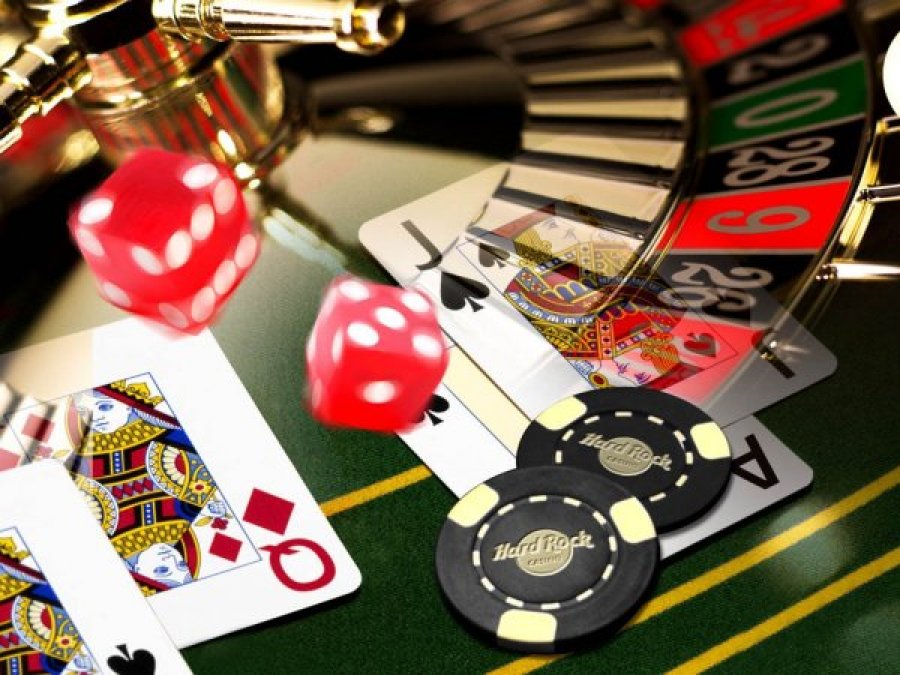
The environment of a casino is specifically designed to enhance this allure. Bright lights, enticing sounds, and visually stimulating games create a sensory overload that can heighten emotions and encourage extended play. The combination of these elements fosters a sense of euphoria, which often leads players to underestimate the risks involved, blurring the line between entertainment and compulsion.
The Role of Cognitive Biases
Cognitive biases play a significant role in shaping gambling behavior. Many gamblers fall prey to the illusion of control, believing they can influence the outcome of random events, such as slot machine spins or card draws. This misguided confidence often leads to prolonged gambling sessions, as players continue to chase losses or pursue the next big win. Understanding gambling myths debunked can enhance awareness of these issues.
Additionally, the gambler’s fallacy—a belief that past outcomes affect future probabilities—can lead individuals to make irrational betting decisions. For instance, a player may continue to bet on a losing streak, convinced that a win is “due.” Understanding these biases can help individuals recognize the psychological traps that often accompany gambling, enabling them to make more informed choices.
The Social Aspects of Gambling
Gambling is not solely an individual pursuit; it often serves as a social activity that fosters community and camaraderie among players. The shared experience of betting and cheering for a winning outcome can create strong bonds, encouraging individuals to return to casinos for both social interaction and entertainment.
This social dimension can also reinforce gambling behavior, as individuals may feel pressured to conform to group norms or continue playing to maintain their social status within a group. The sense of belonging can overshadow the negative consequences of gambling, leading to an escalation of problematic behaviors among individuals who may otherwise be cautious.
Understanding Problem Gambling
Problem gambling is a serious issue that affects many individuals and their families. Understanding the psychological factors contributing to this behavior is crucial for prevention and treatment. Emotional triggers, such as stress, boredom, or depression, can drive individuals to gamble as a coping mechanism, often leading to a vicious cycle of dependence.
Moreover, the stigma surrounding gambling addiction can deter individuals from seeking help. By fostering a supportive environment and raising awareness about the psychological aspects of gambling, society can encourage individuals to seek assistance and promote healthier gambling habits.
Your Trusted Resource for Gambling Insights
As the landscape of gambling continues to evolve, having access to reliable information is essential. Our platform provides in-depth insights into responsible gambling practices and various betting options available. Whether you are a novice or an experienced gambler, understanding the psychological aspects of gambling behavior can enhance your experience and help you make informed decisions.
Join us to explore the complexities of gambling behavior and discover tools to improve your understanding of this captivating activity. By emphasizing education and awareness, we aim to empower individuals to enjoy gambling responsibly while minimizing potential risks.